Summary:
- Installing software in businesses is like introducing a dangerous animal into a jungle. It isn’t just that the software may not do what you want like a dangerous animal, but your business is complex like a jungle. The interaction between the two can cause unforeseen consequences.
- Software-as-a-service (SaaS) can make things worse, as businesses must rely on a trust relationship with the vendor and consider additional costs.
- Buying expensive software without knowing how to use it properly is like buying a new exotic animal, and businesses must consider the value they can get and the potential risks before investing.
- A “big-bang” delivery approach to installing software can lead to trouble.
The analogy:
One of the common misconceptions is that installing software is much like installing an appliance in your home. The ease with which we install software on our phones gives the illusion that it is as easy as adding a washing machine or refrigerator. Install and uninstall is easy and as plug-and-play as using an electric outlet.
Unfortunately, we take this experience and try to apply it to software we run in businesses. A business is not like a phone. It is more like a jungle. Installing software into a business landscape is like bringing a new animal into a jungle, a jungle that you own.
- The new animal may play nice with the other animals you already have, but they may not, requiring building new buildings to separate them.
- In technical terms, software deployment strategies, hopefully through some method of containerization (VMs, Docker, etc)
- You’ll need some herders to move them around to various fields to eat.
- These are the teams that would implement and support the software.
- There will be threats from predators that want to come to take animals from the herd or hide among them, so you’ll need new fences to prevent this.
- Any new software introduces risk and requires security analysis and remediation.
- These animals are animals, and just by existing, they generate *cough* waste.
- No off-the-shelf business software is a turnkey solution for your business. Developers fix the gaps between what you paid for and your business needs.
- They need to be taken to where the water is on the property to drink, and unfortunately, just like sheep, software animals don’t like to drink unless it is still water.
- This can mean creating data lakes, streams, and/or integration. Business software can’t run without the data of your business.
Adding an animal burdens the rest of the system, requiring more work and perhaps expertise to get value out of it. It may even require changing how you do business so that the software will work in your company. You may need to clear out the jungle before your new animal is safe, but in doing so, do you destroy the ecosystem of your company?
Let’s look at how people bring software capabilities into their business and consider the risks using the above analogy.
Extending the analogy – Software as a Service
What if instead of buying and bringing the animal into the jungle, you just rent the service of the animal each day? Like borrowing an ox at planting time instead of owning one. This is analogous to a Software as a Service (SaaS) because someone else owns and takes care of the animal. This is a vertical integration question. Is this part of our business, and if not, is it more efficient to have someone else own it?
When using an AaaS (animal as a service), you rent it because they know how to protect and store the animal; it is their property. Hopefully, this animal produces some benefit, and it may be cheaper to rent the benefit than owning it yourself.
But renting isn’t free. You are still the shepherd and need to feed the animals while you use it. Other animals may not “play nice” with it, but security is still required. Someone will need to know and be trained on how to use the animal.
SaaS still requires people to help you integrate and use the software, but it gets you out of the business of upgrades, patching, and some daily maintenance.
A risk that isn’t always considered is that you are entering into a trust relationship with that SaaS vendor. Much of the initial savings can disappear after the first contract expires, and you are dependent on them.
Consider the Ox example. Let’s say you sell your Ox and start renting from Ox4aDay. You have fired your Ox handler and replaced your Ox pens to save money. It used to cost you $1000 a year to have an Ox. Ox4aDay only charges you $50 every day you use the Ox. This is only 15 days a year for farming, and at $750 without the risk of your Ox getting hurt or dying, this seems like a great deal.
Initially, this is great as you save money. However, you realize the Ox was helping you with daily tasks like hauling carts around, which now have to be done by your workers. The Ox handler also helped in other areas when he wasn’t tending to the Ox. The result of all of this is your workers are falling behind.
Then the Ox4aDay contract is up. And they boost the price to $150 a day. Now, it costs you way more than the old setup, and your workers still need to catch up in doing extra work.
The analogy breaks down a bit because, in this situation, you could buy a new Ox or find another Ox supplier. The switching cost is minimal. This is not the case with most SaaS vendors. They require lots of configuration, meaning your business logic is embedded, and all your data is stored in the SaaS vendor’s systems. You can’t switch without a considerable expense. There are ways to reduce switching costs and provide good negotiation leverage, but all of this needs to be factored into the initial purchase decision.
Extending the analogy again – Installation
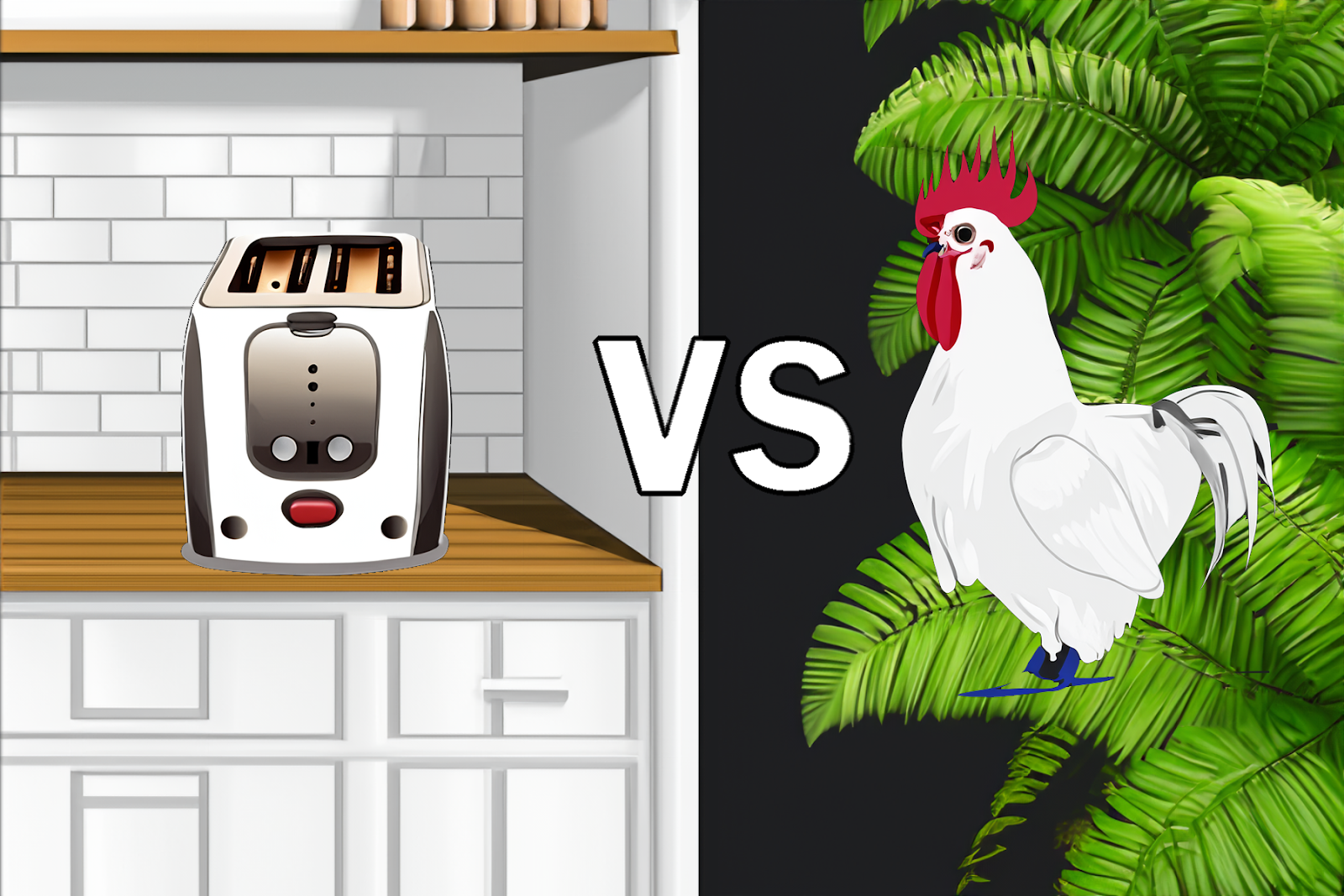
SaaS or non-SaaS, any software switch in a company requires work. You are bringing this animal into your jungle, not putting a toaster on the counter. The bigger the animal, the more risk to the jungle.
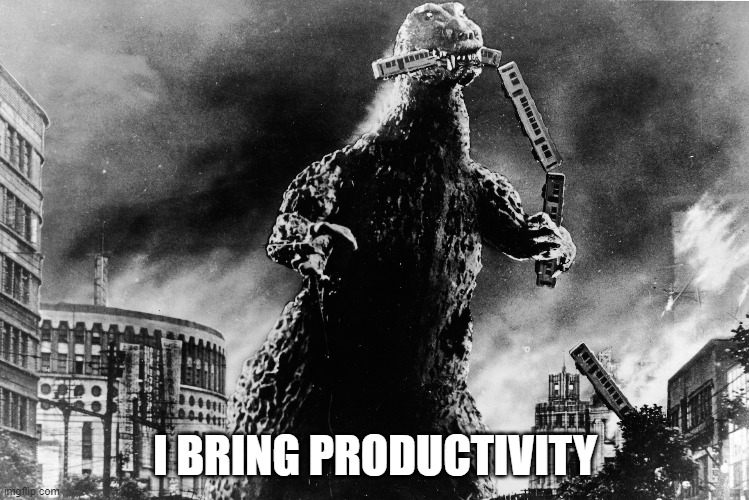
Suppose you buy a new animal; it is exotic, big, and expensive. For this conversation, we’ll call it Godzilla, a giant monster of a type featured in Japanese fantasy and science fiction movies and television programs. You are unsure of how to take care of it, keep it alive, or even get much value out of it, but it seems like everyone in the industry is using it.
You have a couple of options:
- Hire several people who have dealt with Godzilla before and make them responsible for Godzilla. If they do a terrible job, their employment and lives are at risk.
- Hire Godzilla experts and train other animal keepers to care for your new Godzilla. After the animal keepers know how to care for Godzilla, then the experts leave.
- Hire a Rent-a-Godzilla firm, where they only bring the monster into the jungle for a little bit. They handle all the work that needs to be done, and then, thankfully, they take it with them when they are done.
- Hire a Godzilla management firm to bring the Godzilla into your jungle, feed it for a few months, and then leave. Before they start working, they require that you sign a contract detailing everything you expect your brand-new Godzilla to do, even though you’ve never had one before. The contract also absolves them of any damage caused by Godzilla. At no point in the contract does it require them to achieve any productive outcomes; it simply states that the Godzillais alive and well in your jungle when they leave.
Of these four options, the first three are all reasonable, depending on what you expect your world-ending monster to do for you. The 4th option is a receipt for disaster, yet it is a billion-dollar industry. Some consulting firms make money putting Godzilla in forests, and others make money following behind those firms, cleaning up the damage done by the first group. The question in these options should be, who has the most “skin in the game” for getting everything set up correctly for your business? The answer to this usually dictates what the highest quality option will be.
The question you should be asking is, why the HECK do we need Godzilla?! Why are we buying one if we don’t know the value we can get out of it or how to get it? Just because the company down the road has one doesn’t mean you need one, too. Unfortunately, this mentality exists in many companies when buying software because “no one was ever fired for picking Godzilla.”
Godzilla as a metaphor also works because it represents the “big-bang” delivery approach. You don’t realize how much trouble you are in until after the beast has landed. If you are ever installing software (aka putting an animal in your forest) as a large install that happens all at once, you are likely to end up with people running and screaming.
Managing the herd
Buying software without knowing how to use it properly is like buying a new exotic animal – it can be a burden on the rest of the system and require more work and expertise to get value out of it. Understanding the risk factors before making a purchasing decision will help minimize those risks.

 Chalk X
Leave a reply to Skin in the Game: Avoid playing with house money – Chalk X Cancel reply